
The Succession Oaths
Wolf HallThis thread traces the transformation of Anne’s pregnancy into a legal settlement that demands public allegiance and exposes private conscience.
increasing Bearing strength in each event
 decreasing
Bearing strength in each eventdecreasingA Child in the Womb

The Heir Anticipated
A marriage made political
Henry and Anne’s marriage creates the need to define which children may inherit. Cromwell drafts language meant to secure the new dynasty while excluding Mary from succession.
Uncertainty made law
The bill anticipates deaths and future marriages even as Anne objects to provisions that seem to reduce her own place. Law attempts to control events that remain dependent on pregnancy and survival.
Parliament and the Oath
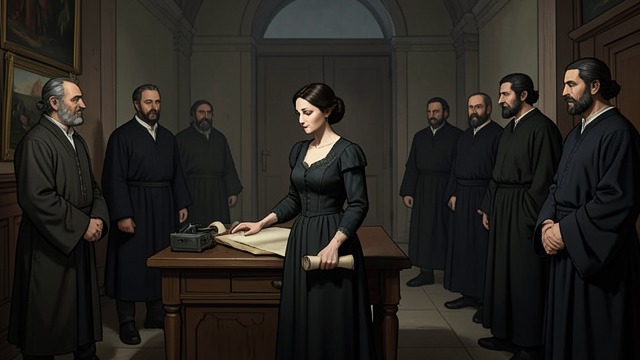
Loyalty Formalized
A national demand
The Act of Succession establishes the royal line and requires subjects to swear to it. Cromwell insists that an oath from ordinary people has the same value as one from bishops.
Power meets conscience
The oath makes disagreement legible to the state. It turns silence and refusal into political acts that can expose a person to punishment.
Refusal and Imprisonment

The Oath’s Human Cost
More and Fisher refuse
Thomas More and John Fisher decline to endorse the new settlement. Their refusals persist despite pressure, imprisonment, and offers of mercy.
A test of sovereignty
The crown treats resistance as a threat to the realm; the prisoners treat compliance as a threat to conscience. The oath becomes a conflict over who may define lawful authority.
1533
1534
1534–1535
